
Intermittent Fasting and Working Out: When to Exercise During Your Fast
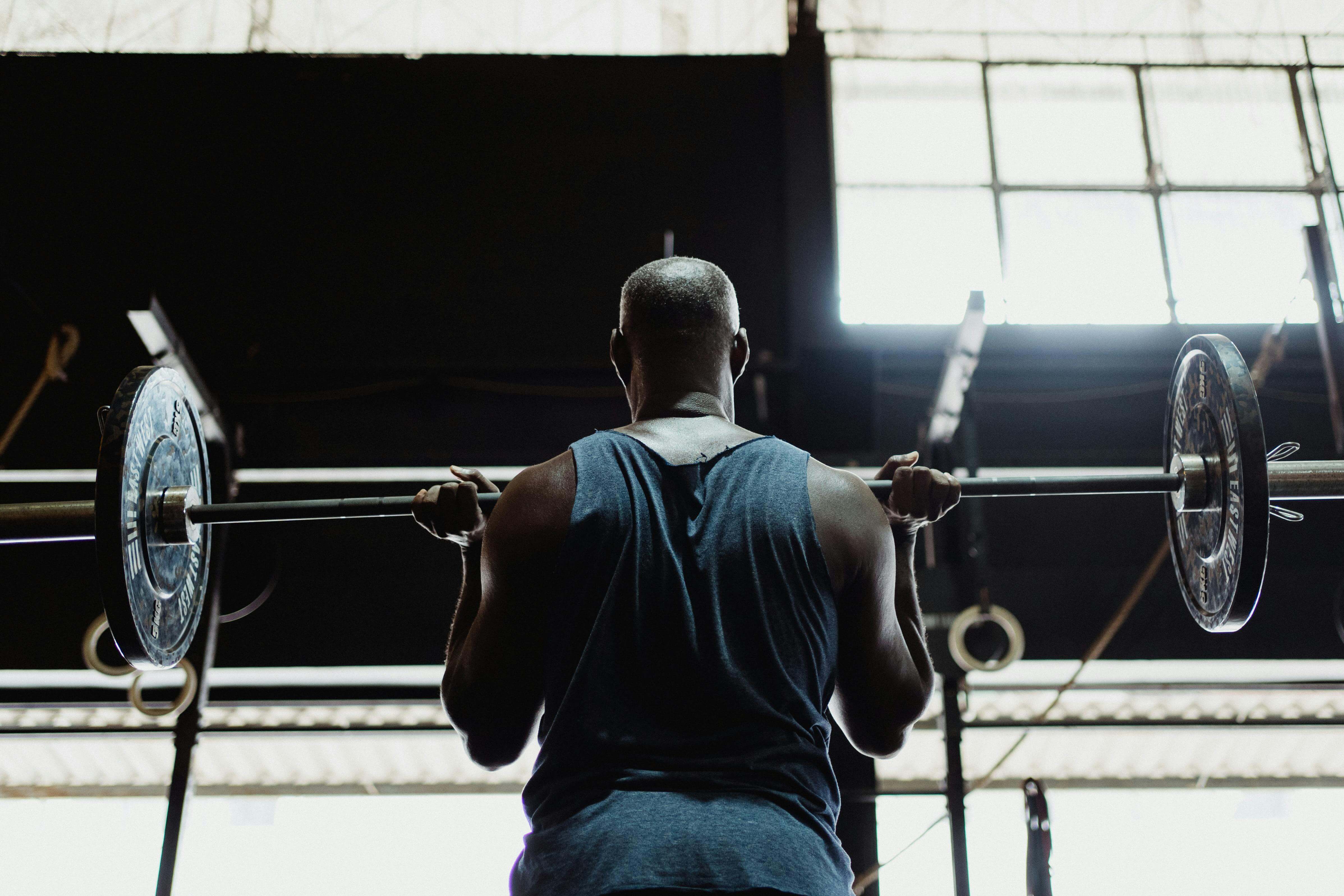
Can you exercise while fasting?
Yes. Many people exercise during their fasting window without any issues. The question is not whether you can, but when and how to time your workouts for the best experience.
Fasted vs. fed training
Fasted training means exercising during your fasting window, before your first meal. Your body is running on stored energy rather than food you recently ate.
Fed training means exercising during or shortly after your eating window, when your body has readily available fuel from food.
Neither approach is universally better. It depends on the type of exercise, your fasting protocol, and how your body responds.
Timing workouts by protocol
16:8 fasting
The 16:8 protocol offers the most flexibility for exercise timing:
- Morning workout (fasted): Exercise before your noon eating window opens. Works well for moderate cardio, yoga, and light resistance training.
- Lunchtime workout: Train just before or after breaking your fast at noon. Many people find this is the sweet spot for strength training.
- Evening workout (fed): Train after a meal during your eating window. Best for high-intensity or heavy lifting sessions.
18:6 and 20:4 fasting
With shorter eating windows, your fasted period is longer. If you train fasted in the morning, you may be 14 to 18 hours into your fast. Consider:
- Scheduling workouts closer to your eating window
- Keeping fasted sessions at moderate intensity
- Breaking your fast with a protein-rich meal immediately after training
OMAD
OMAD fasters are fasted for most of the day. If you exercise on OMAD:
- Keep intensity moderate during fasted hours
- Time your single meal after your hardest training session when possible
- Listen to your body – OMAD plus intense exercise is demanding
Types of exercise during fasting
Low to moderate intensity (usually fine fasted)
- Walking and hiking
- Yoga and stretching
- Light cycling
- Swimming at easy pace
Moderate to high intensity (better near eating window)
- Weight training
- HIIT and interval training
- Running at pace
- Team sports
What to watch for
- Dizziness or lightheadedness – stop and eat
- Significant performance drop compared to fed training
- Difficulty recovering between sessions
These are signals to adjust your timing, not to stop exercising.
Practical tips
- Hydrate well. Drink water before, during, and after exercise. This matters even more when training fasted.
- Start easy. If you are new to fasted training, begin with low-intensity sessions and gradually increase as your body adapts.
- Time your post-workout meal. If you can, schedule your eating window to open shortly after training. Protein and carbohydrates after exercise support recovery.
- Track both. Log your workouts alongside your fasting sessions to see how training timing affects your consistency and energy levels.
- Be flexible. Use a fasting schedule that accounts for training days. You might prefer a slightly earlier eating window on gym days.
The bottom line
Exercise and intermittent fasting are compatible. Most people can train during their fasting window for moderate-intensity sessions without issues. For heavy or high-intensity training, eating beforehand or shortly after tends to produce better performance and recovery.
The best approach is the one that lets you do both consistently. Experiment with timing, track how you feel, and adjust.
Disclaimer: This article is for informational purposes only and does not constitute medical advice. Consult a healthcare professional before starting any fasting or exercise regimen.