
Intermittent Fasting Schedule Planner: Which Protocol Is Right for You?
Choosing the right fasting schedule
Not everyone fasts the same way, and that is the point. The best fasting protocol is the one that fits your lifestyle, matches your experience level, and is sustainable over weeks and months.
This guide compares seven popular intermittent fasting schedules to help you find your fit.
The 7 protocols at a glance
| Protocol | Fasting | Eating | Difficulty | Best for |
|---|---|---|---|---|
| 14:10 | 14 hours | 10 hours | Beginner | First-time fasters, gentle start |
| 16:8 | 16 hours | 8 hours | Beginner-Intermediate | Daily sustainable fasting |
| 18:6 | 18 hours | 6 hours | Intermediate | Two-meal structure |
| 20:4 | 20 hours | 4 hours | Advanced | Focused eating window |
| 24-hour | 24 hours | Meal-based | Advanced | Weekly or periodic fasts |
| OMAD | 23 hours | 1 hour | Advanced | One complete meal per day |
| Custom | Your choice | Your choice | Varies | Unique schedules and goals |
Protocol details
14:10 – The gentle start
Fast for 14 hours, eat within 10. This is essentially stopping late-night snacking and slightly delaying breakfast. If you normally eat from 8am to 10pm, shifting to 9am to 7pm gets you there.
Best for: Absolute beginners, people testing whether fasting suits them.
16:8 – The popular choice
The most widely practiced intermittent fasting method. Fast for 16 hours, eat within 8. Most people skip breakfast and eat between noon and 8pm.
Best for: Anyone looking for a sustainable daily practice. See our complete 16:8 guide for details.
18:6 – The focused window
Fast for 18 hours, eat within 6. Typically means two meals per day with a snack. A natural progression from 16:8 for those ready to extend their fasting window.
Best for: Intermediate fasters who want a more defined structure.
20:4 – The warrior approach
Fast for 20 hours, eat within 4. This usually means one large meal and one small meal. Requires more planning to meet nutritional needs in a short window.
Best for: Experienced fasters who prefer concentrated eating.
24-hour – The full day fast
Fast for a full 24 hours, typically from dinner to dinner or lunch to lunch. Usually practised one to three times per week, not daily.
Best for: Periodic fasters who prefer longer but less frequent fasts.
OMAD – One Meal a Day
Eat one complete, nutritious meal per day, then fast for 23 hours. The most advanced common protocol. See our OMAD guide for details.
Best for: Advanced fasters who thrive on simplicity.
Custom – Your rules
Create any fasting and eating window combination that suits your needs. Maybe you fast 15 hours on weekdays and 12 on weekends. Maybe you have a unique schedule that doesn’t fit standard protocols.
Best for: Anyone whose lifestyle doesn’t align with preset protocols.
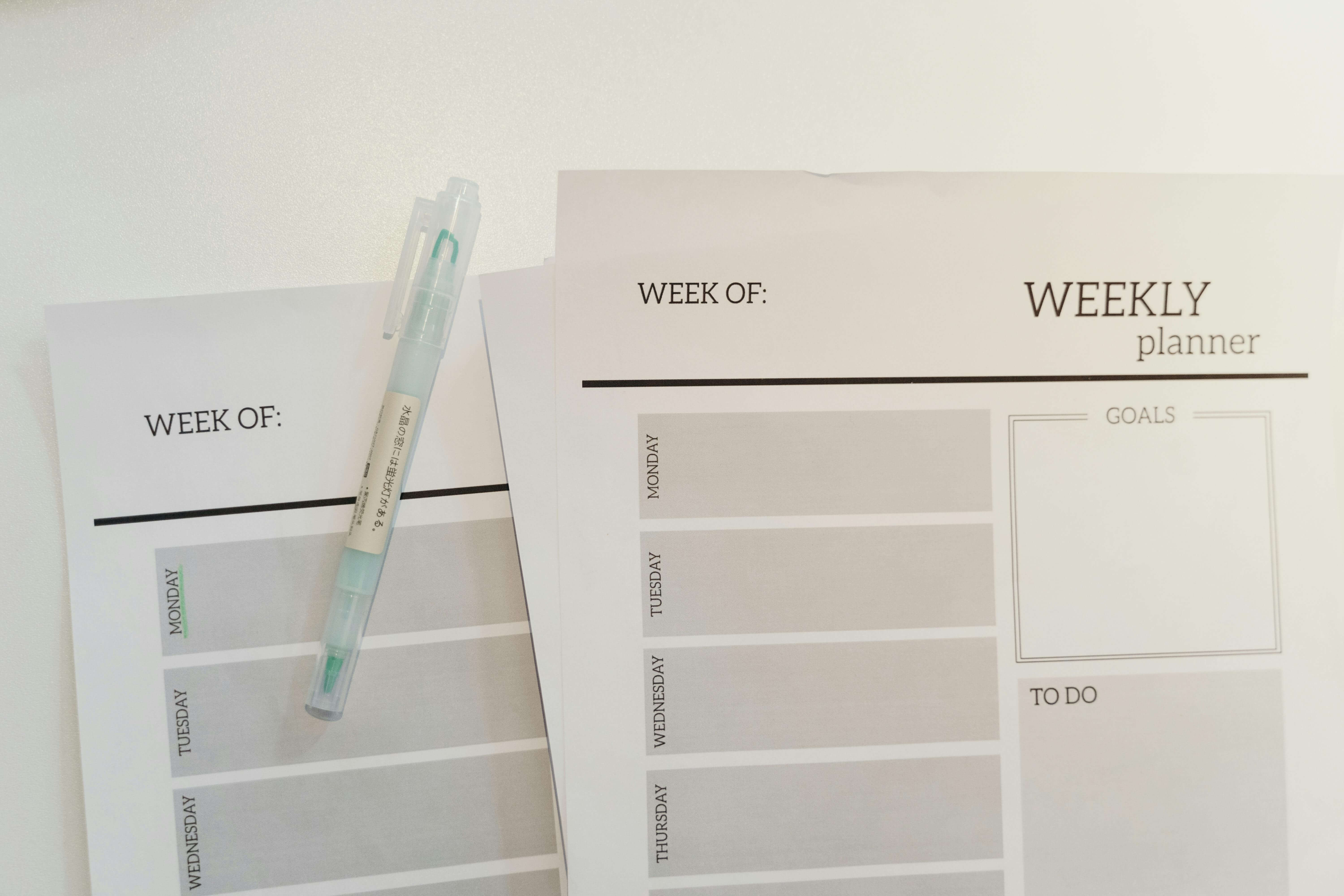
How to build your weekly schedule
A fasting schedule doesn’t have to be the same every day. Many people use different protocols on different days:
- Monday to Friday: 16:8
- Saturday: 14:10 (more flexible for social eating)
- Sunday: Rest day (no fasting)
Or:
- Monday, Wednesday, Friday: 18:6
- Tuesday, Thursday: 16:8
- Weekend: Off
The key is planning ahead so you know what is coming and can prepare.
Fast Tracka lets you set a weekly fasting schedule with different protocols per day, so your plan is always visible and your timer is ready when you are.
Progressing between protocols
If you are new to fasting, start with the least restrictive protocol and progress gradually:
14:10 (1-2 weeks) then 16:8 (2-4 weeks) then 18:6 (as desired) then 20:4 or OMAD (if it suits you)
There is no requirement to progress. Many people practice 16:8 for years and find it works perfectly. The goal is consistency, not intensity.
Tips for sticking to your schedule
- Use a timer. Knowing exactly where you are in your fast removes guesswork. Track your fasts so you build a visible streak.
- Plan your eating window meals before the day starts.
- Stay hydrated during fasting hours.
- Be flexible. Shift your window for social events, then return to your schedule the next day.
- Review your history. Looking at your completed fasts over time helps you identify which days and protocols work best for you.
Start with what feels right
There is no perfect protocol. The best fasting schedule is the one you can follow consistently. Start conservative, track your fasts, and adjust as you learn what works for your body and your life.
For a broader introduction to fasting, see our beginner’s guide to intermittent fasting.
Disclaimer: This article is for informational purposes only and does not constitute medical advice. Consult a healthcare professional before starting any fasting regimen.